Charleston Lives With Storms. So Do We.
Hurricane season runs June through November, and the heart of it — August through October — is when the Lowcountry earns its reputation. But storm damage here isn't only about named hurricanes. Tropical storms that never make headlines push wind-driven rain through roofs and window seals. Summer squalls drop oaks and pines onto rooflines. King tides flood streets and garages on a clear, sunny day — we publish the Charleston king tide calendar every year so you know exactly which dates to watch. When any of it reaches your home or business, DRYmedic of Charleston responds 24/7 with emergency board-up, roof tarping, water extraction, and structural drying — and we stay on the job through repairs and the insurance claim.
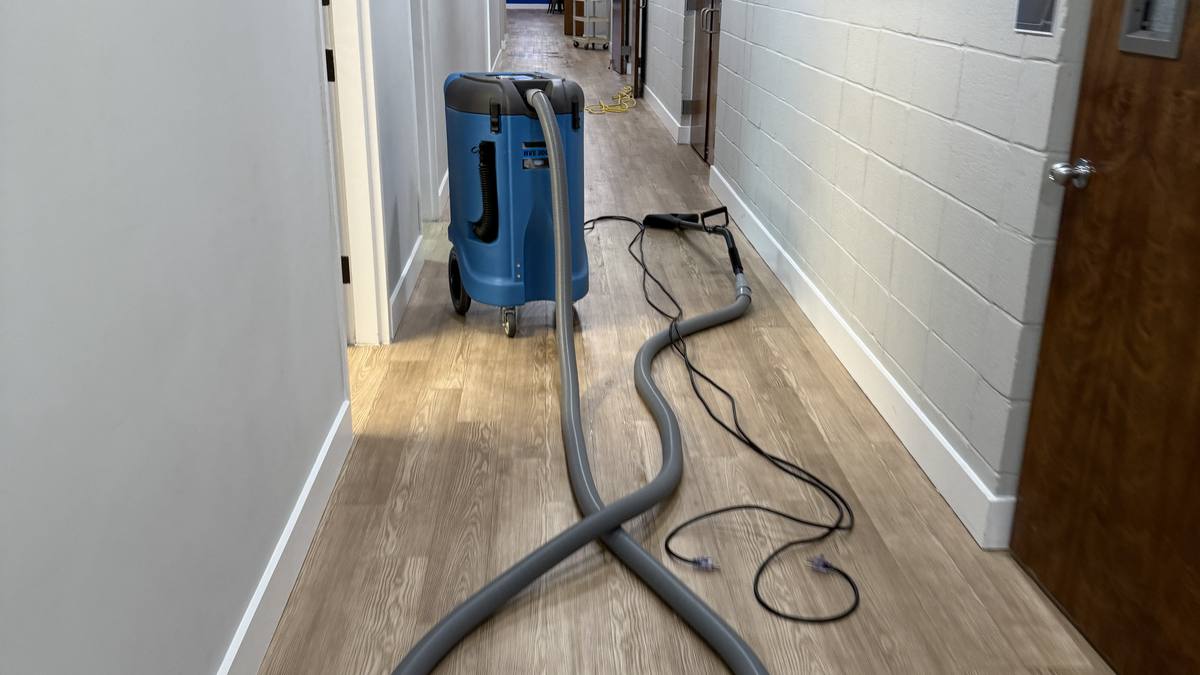
The Storm Losses We See Most in the Lowcountry
- Wind-driven rain intrusion: Sustained tropical winds force water past flashing, ridge vents, and window seals — soaking attic insulation and ceilings even when the roof "held."
- Roof damage and tree strikes: Torn shingles, peeled roofing, and downed-tree punctures open the building to every band of rain that follows. Emergency tarping stops the bleeding.
- Storm surge and tidal flooding: Surge and king-tide water is brackish or salt — corrosive to wiring, fasteners, and mechanical systems, and classified as Category 3 water requiring certified handling.
- Flash and drainage flooding: When downpours outrun Charleston's drainage, low-lying streets send water into ground floors, crawl spaces, and garages across the metro.
- Power-loss secondary damage: Extended outages shut down HVAC and dehumidification, letting humidity climb inside closed-up homes — a head start for mold.
When a Named Storm Is Coming
We don't wait for landfall. When a named system enters the forecast cone for the South Carolina coast, we pre-stage extraction equipment, dehumidifiers, generators, tarps, and board-up materials, and we put crews on standby so we can begin triaging calls as soon as conditions allow. If you know your property is vulnerable — a ground floor that's flooded before, a roof that's due for replacement — call us before the storm. A short conversation about shut-offs, photos, and what to move upstairs can save you thousands after.
A few pre-storm steps that genuinely help: photograph every room and the exterior (your "before" documentation), clear gutters and storm drains near your property, move vehicles and contents out of ground-level flood-prone spaces, know where your water and electrical shut-offs are, and keep your insurance policy numbers somewhere you can reach from anywhere.
Coming Home After Evacuating
If you evacuated, come back carefully. Before you go inside: look for downed lines, leaning trees, and visible structural damage. Once inside, photograph everything before you move or discard anything — your claim depends on that documentation. Don't energize circuits in areas that took water, don't run the HVAC if floodwater reached ductwork or equipment, and resist the urge to start ripping out wet carpet and drywall yourself. Call us first; we'll document the loss properly as we mitigate it, which keeps your insurance claim clean.
Flood Restoration & Flood Damage Repair
Flood restoration is different work from a clean-water loss, and it's worth knowing why before you call anyone. Water that comes up from outside — surge, tidal, storm drainage — arrives contaminated, so soaked carpet, pad, insulation, and the lower few feet of drywall generally come out rather than get dried in place. Saltwater makes it worse: it stays hygroscopic, keeps pulling humidity back in long after the visible water is gone, and quietly corrodes anything metal it reached, including HVAC equipment and electrical.
Our storm flood damage repair runs in the same order every time: emergency water damage service first (extraction, tarping, board-up to stop more water arriving), then controlled demolition of what can't be saved, then structural drying to verified moisture readings, then flood damage repair to put the building back — drywall, flooring, trim, and paint. One company through the whole sequence means one set of moisture logs and photos for your adjuster.
Wind Claim or Flood Claim? In Charleston, Often Both.
This distinction matters more here than almost anywhere: wind damage (and the rain that enters through wind-created openings) is generally a homeowners-policy claim, while rising water — surge, tidal flooding, overflowing drainage — is a flood claim that requires separate NFIP or private flood insurance. Many Charleston storm losses involve both at once: a breached roof up top and surge water below. We document each cause of damage separately, room by room and material by material, so both claims are supported and nothing falls through the gap between policies. If you're not sure what coverage you have, we'll help you sort it out — we work with adjusters on both sides of that line every season.
Our Storm Response Process
- Emergency stabilization — board-up, roof tarping, and shoring to secure the envelope and stop ongoing intrusion.
- Safety and damage assessment — structural hazards, electrical risks, and full photo documentation for insurance.
- Water extraction — standing water removed fast, with saltwater and contaminated flooding handled to Category 3 protocols.
- Structural drying — commercial dehumidifiers and air movers, verified daily with moisture readings. See our water damage restoration process.
- Contents care — salvageable belongings cleaned, dried, and packed out where needed via our contents & pack-out service.
- Repairs and rebuild — from roof decking and drywall to full reconstruction, back to pre-storm condition.
One more Lowcountry reality: any storm water that isn't dried quickly and completely becomes a mold problem in our humidity — often within days. If your home took water more than a day or two ago, read up on our mold remediation service too, and let's get moisture readings before mold makes the decision for you.
Frequently Asked Questions — Storm & Flood Damage
Does homeowners insurance cover storm and flood damage?
Wind damage — torn shingles, rain through a breached roof, tree strikes — is typically a homeowners claim. Rising water from surge, tides, or drainage overflow is a flood loss, which requires separate NFIP or private flood insurance. Many Charleston losses involve both, and we document each cause separately so both claims are supported.
What should I do first when I get home after evacuating?
Check for structural hazards and downed lines before entering, photograph everything before touching anything, and keep power off in areas that took water until they're checked. Then call us — we board up, tarp, extract, and dry, documenting the loss for your claim as we go.
Is saltwater flooding worse than freshwater flooding?
Yes. Surge and tidal water is brackish or salt — corrosive to wiring, fasteners, and HVAC components, and classified as Category 3 (grossly contaminated) water. It needs prompt flushing, removal of porous materials it touched, and antimicrobial treatment, not just drying.
Do you provide emergency board-up and roof tarping?
Yes, 24/7. Securing the building envelope is the first step after any storm — it stops ongoing rain intrusion, and most insurance policies expect you to take reasonable steps to prevent further damage. We handle it and document it.