Why Charleston Is a Mold Town
Mold needs three things: spores (always present), a food source (wood, drywall paper, dust), and moisture. In most climates, moisture is the limiting factor. In Charleston, it isn't. Ambient humidity sits above 70% for much of the year, the water table is high, and much of our housing stock — raised historic homes downtown, mid-century ranches on the islands and in West Ashley — sits over vented crawl spaces that breathe that damp outdoor air day and night. Add a roof leak, a slow plumbing drip, or a water loss that was never fully dried, and growth follows.
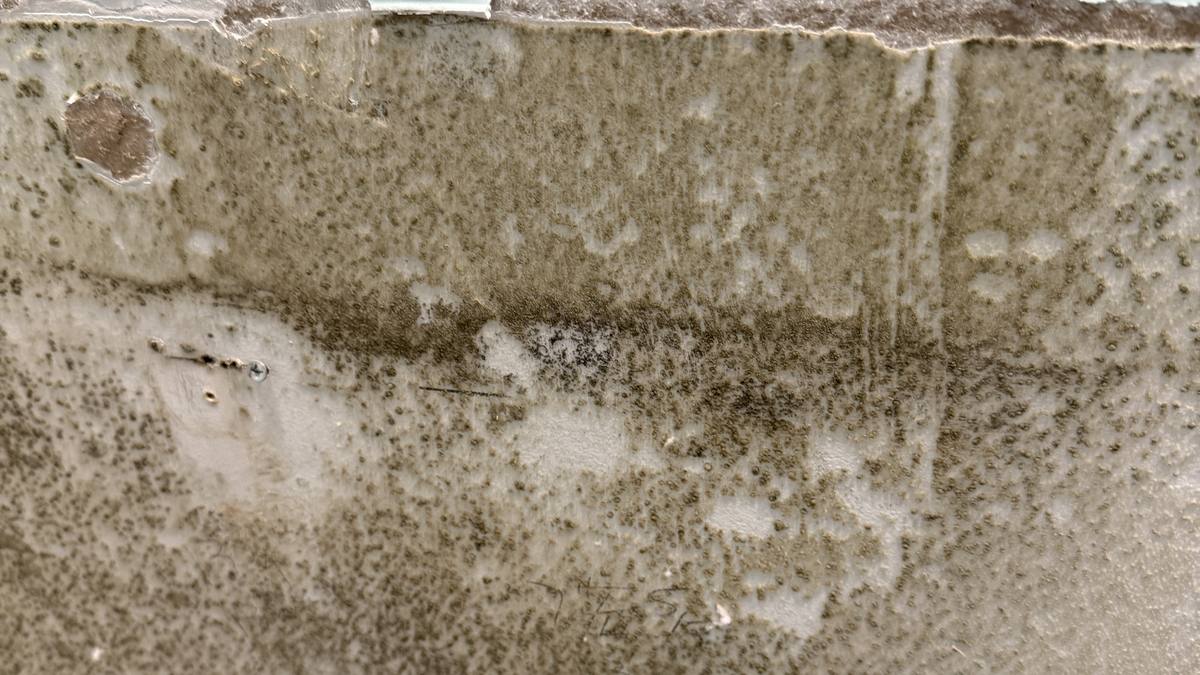
That's why mold remediation here is really two jobs: removing the growth correctly, and fixing the moisture condition that made it possible. Do only the first and you'll be calling someone again next year. We do both.
Where We Find Mold in Lowcountry Homes
- Crawl spaces: The number-one location, hands down. Damp soil, vented humid air, and cool ductwork condensing moisture onto joists and subfloor. What grows under the house doesn't stay under the house — crawl-space air moves up into living spaces.
- Attics: Roof leaks, bath fans venting into the attic instead of outside, and blocked soffit ventilation leave sheathing dark with growth — often discovered only during a roof job or home inspection.
- HVAC systems: Air handlers and ductwork run cold and damp all summer. Growth at the coil, in the plenum, or in flex duct gets distributed to every room the system serves.
- After under-dried water losses: A pipe leak or flood that was "dried" with box fans and hope. Weeks later comes the musty smell behind the baseboards. Proper water damage drying is the cheapest mold prevention there is.
- Bathrooms, closets, and corners: Poor airflow plus humid air equals surface growth on ceilings, grout, and the backs of furniture set against exterior walls.
Straight Talk on Mold and Health
You'll find plenty of scare copy about mold online. Here's the factual version: mold exposure affects people differently. Many people experience nothing. Others — particularly those with asthma, allergies, respiratory conditions, or weakened immune systems — can experience congestion, coughing, eye and throat irritation, and allergy-type reactions, and mold can aggravate asthma. Infants and the elderly tend to be more sensitive. Whatever your household's sensitivity, the practical answer is the same: indoor mold growth means there's a moisture problem, and both should be corrected. No panic required — just a proper fix.
Mold Testing & Inspection
Not sure what you're dealing with? A professional mold inspection is where we start. We trace the moisture with meters and thermal imaging, map how far growth extends — including inside wall cavities, under flooring, and in the crawl space — and tell you plainly whether you're looking at a minor surface issue or an established colony that needs remediation. The assessment is free, and it comes with a straight answer rather than a sales pitch.
Formal mold testing is a different tool, and honesty matters here: when lab results actually count — real-estate closings, landlord disputes, documented health concerns, or post-remediation clearance — we coordinate independent third-party testing rather than testing our own work. A mold removal company that grades its own homework isn't giving you evidence. Separate hands doing the sampling is what makes a clearance report worth the paper it's printed on.
Black Mold Removal
"Black mold" is the call we get with the most worry behind it — usually after someone spots dark greenish-black growth on drywall, around a window, or under a sink. The honest version: color alone doesn't tell you what species you're looking at or how hazardous it is. Plenty of dark molds aren't Stachybotrys (the one the headlines mean), and plenty of light-colored growth still needs professional removal. That's why we treat any established indoor growth with the same discipline: containment, HEPA air scrubbing, removal of contaminated porous materials, and correction of the moisture source that fed it. If you think you have black mold, don't scrub it, don't blast it with bleach, and don't run fans at it — disturbing dry growth sends spores airborne. Leave it alone and call us at (843) 790-5769; black mold removal in Charleston homes is routine work for us, and if testing matters for your situation we coordinate independent sampling so the results come from someone other than the company doing the removal.
Our Mold Remediation Process
- Inspection and moisture mapping — we find the full extent of growth and, just as importantly, the water source feeding it.
- Containment — plastic barriers and negative air pressure isolate the work area so spores don't spread through the house during removal.
- HEPA air scrubbing — commercial air scrubbers filter spores from the air throughout the project.
- Removal — contaminated porous materials (drywall, insulation) removed and bagged; structural wood cleaned, HEPA-vacuumed, and treated.
- Antimicrobial treatment — affected surfaces treated to address remaining spores and discourage regrowth.
- Moisture-source correction — leak repair, drainage, vapor barriers, dehumidification, or crawl-space encapsulation, depending on what fed the growth.
- Clearance — the work area is verified visually and, where needed, by independent third-party testing before containment comes down.
Crawl-Space Mold: Fix the Cause, Not Just the Symptom
Crawl space mold removal is its own discipline in the Lowcountry, because if your crawl space grows mold, remediation alone is a temporary win — the humidity that fed it is still down there. Depending on the house, the lasting fix may be a ground vapor barrier, grading and drainage correction, a crawl-space dehumidifier, or full encapsulation (sealing vents, insulating walls, and conditioning the space). We'll tell you honestly which level your house actually needs. This matters double after storms: island and marsh-front crawl spaces that take water during king tides or a tropical system need drying fast — see our storm & flood damage service.
Mold Remediation Across the Charleston Metro
We handle mold removal in Charleston SC proper and across the metro — mold remediation in Mount Pleasant, Summerville, North Charleston, James Island (our home turf), Daniel Island, and the rest of the tri-county area. Crawl-space-heavy neighborhoods and marsh-front homes get the most calls, but Charleston humidity doesn't skip anyone.
Mold in Real Estate Deals and Rentals
A mold finding on an inspection report can stall a closing, and a tenant complaint about mold puts a landlord on the clock. We work these situations regularly: scoped remediation of the affected areas, correction of the moisture source, and coordination of independent clearance testing so every party — buyer, seller, agent, tenant, property manager — has documentation from someone other than us that the problem is resolved. If contents were affected, our contents cleaning and pack-out team handles belongings too. For multi-unit and commercial properties, see our commercial restoration service.
Frequently Asked Questions — Mold Remediation
Is mold in my house dangerous?
It depends on the person. Many people have no symptoms; those with asthma, allergies, or weakened immune systems can experience respiratory irritation and allergy-like reactions. Beyond health, active growth is slowly digesting the materials it lives on. Either way the fix is the same: remove it and correct the moisture source.
Is black mold worse than other mold?
Not automatically. Color doesn't identify the species or its hazard — some dark molds are ordinary, and some pale ones warrant the same caution. Established indoor growth of any color gets the same professional treatment: containment, removal, and fixing the moisture source. If identification matters to you, we coordinate independent third-party testing rather than testing our own work.
Can I just clean mold with bleach?
On porous materials like drywall and wood, bleach mostly whitens the surface while roots stay in the material — and scrubbing without containment spreads spores through the house. Small spots on hard, non-porous surfaces are reasonable DIY; anything established, hidden in walls, or in crawl spaces, attics, or HVAC calls for professional containment and removal.
Why does my crawl space keep growing mold?
Vented Charleston crawl spaces breathe outdoor air that's above 70% humidity much of the year, over damp soil and a high water table. Remediation removes the growth; a vapor barrier, drainage work, dehumidification, or encapsulation keeps it from coming back. We do both halves.
Is there a paint that kills mold?
No — and this one costs Charleston homeowners real money. "Mold-killing" primers can sanitize a surface and mildew-resistant paints slow future growth on clean material, but paint applied over an active colony just hides it while the roots keep working through the drywall — and while the moisture that fed it keeps feeding it. If mold keeps coming back through paint, there's a water source behind that wall. Fix the moisture, remove what's contaminated, then paint. In that order.
How can I check for mold in my house?
Trust your nose first — a persistent musty smell is a more reliable indicator than anything a home test kit will tell you (those kits find spores in every home, because spores are in all air). Look where Charleston mold actually lives: crawl spaces, attic sheathing, around AC vents and returns, under sinks, and behind furniture on exterior walls. If you see growth or the smell won't quit but you can't find it, that's when professional help makes sense: we locate it with moisture meters and inspection, and when formal testing matters — real-estate deals, landlord disputes, health concerns — we coordinate independent third-party testing rather than testing our own work, so the results mean something.
We found mold during a home sale inspection. Can you help before closing?
Yes — one of our most common calls. We remediate, fix the moisture source, and coordinate third-party clearance testing so all parties have independent documentation. Call early: remediation and clearance take days, not hours.